


Teams

You can only get so far alone.

Individual coaching has a ceiling, and that ceiling is your team. Here are four ways to bring your team into the work with you.

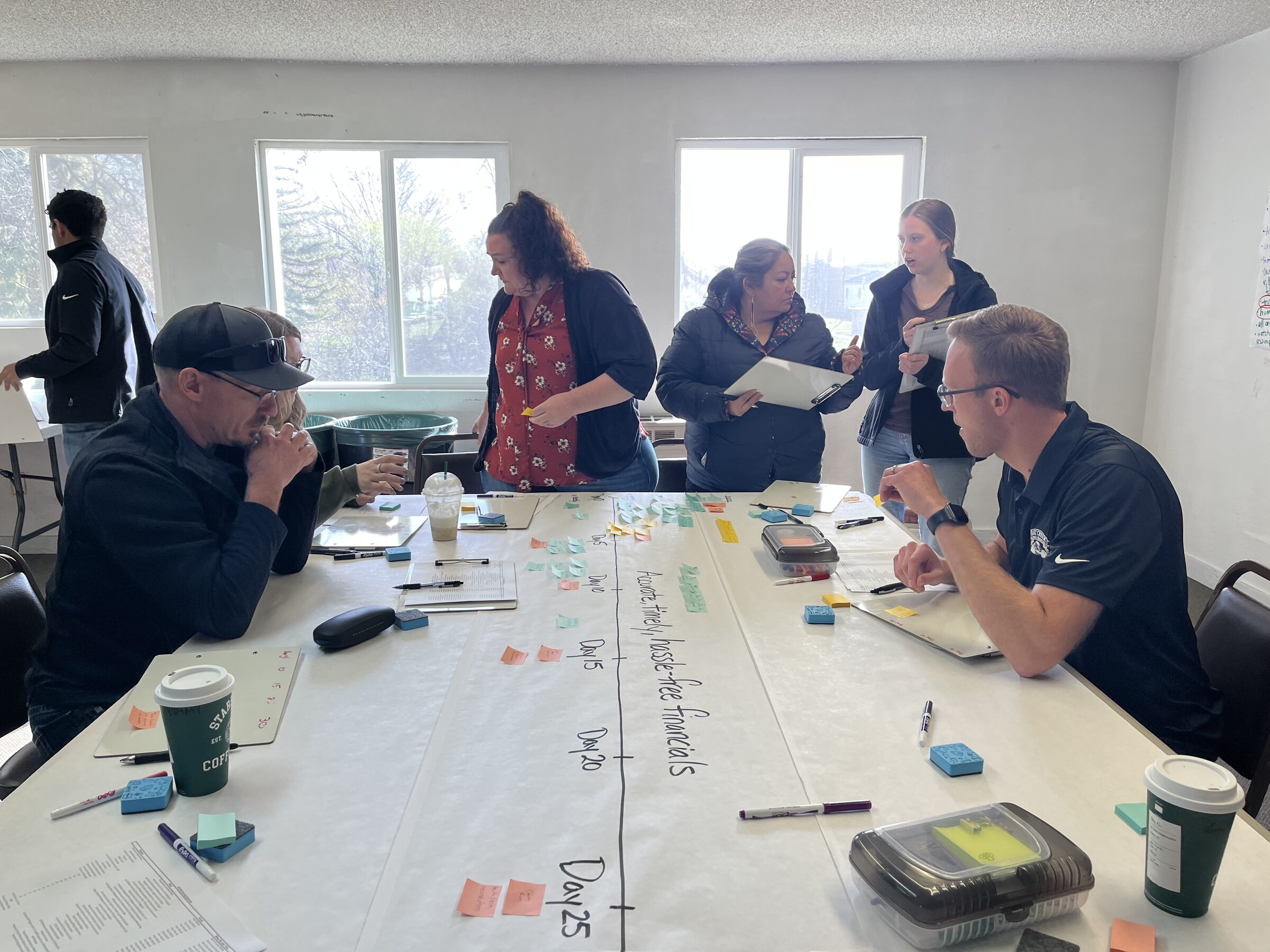
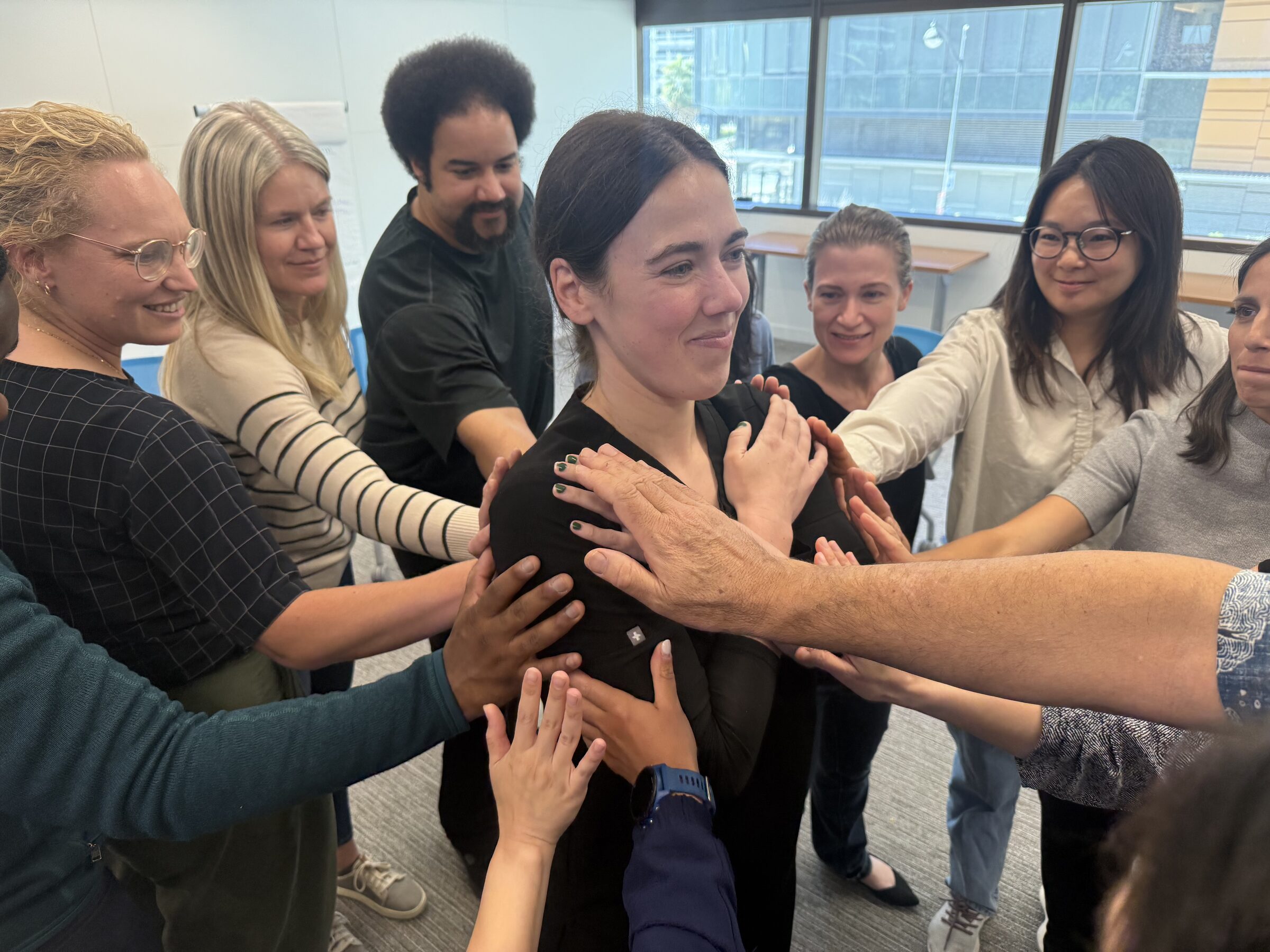
A team mapping a timeline on chart paper with sticky notes

Four ways forward.

Built by someone who has run organizations, not just advised them.

Irene is a PhD neuroscientist who spent seven years as the superintendent/principal of a teacher-powered school and another seven as a founding faculty member of a new department before she ever coached anyone. She knows what it costs to start something and to build a trusting, thriving team, because she built that culture while the culture was still expecting her to answer email.

Every engagement is custom. There is no package to select from, no curriculum on a shelf. You’ll design it together, around what your team actually needs and what your organization can actually absorb.

The brain doesn’t change from being told things. It changes from doing something differently, in real conditions, with enough support and enough repetition that the new way becomes the easier way. So that’s how this is built. Whatever the format — an afternoon, a retreat, a year — the work happens in your conditions, with your people.

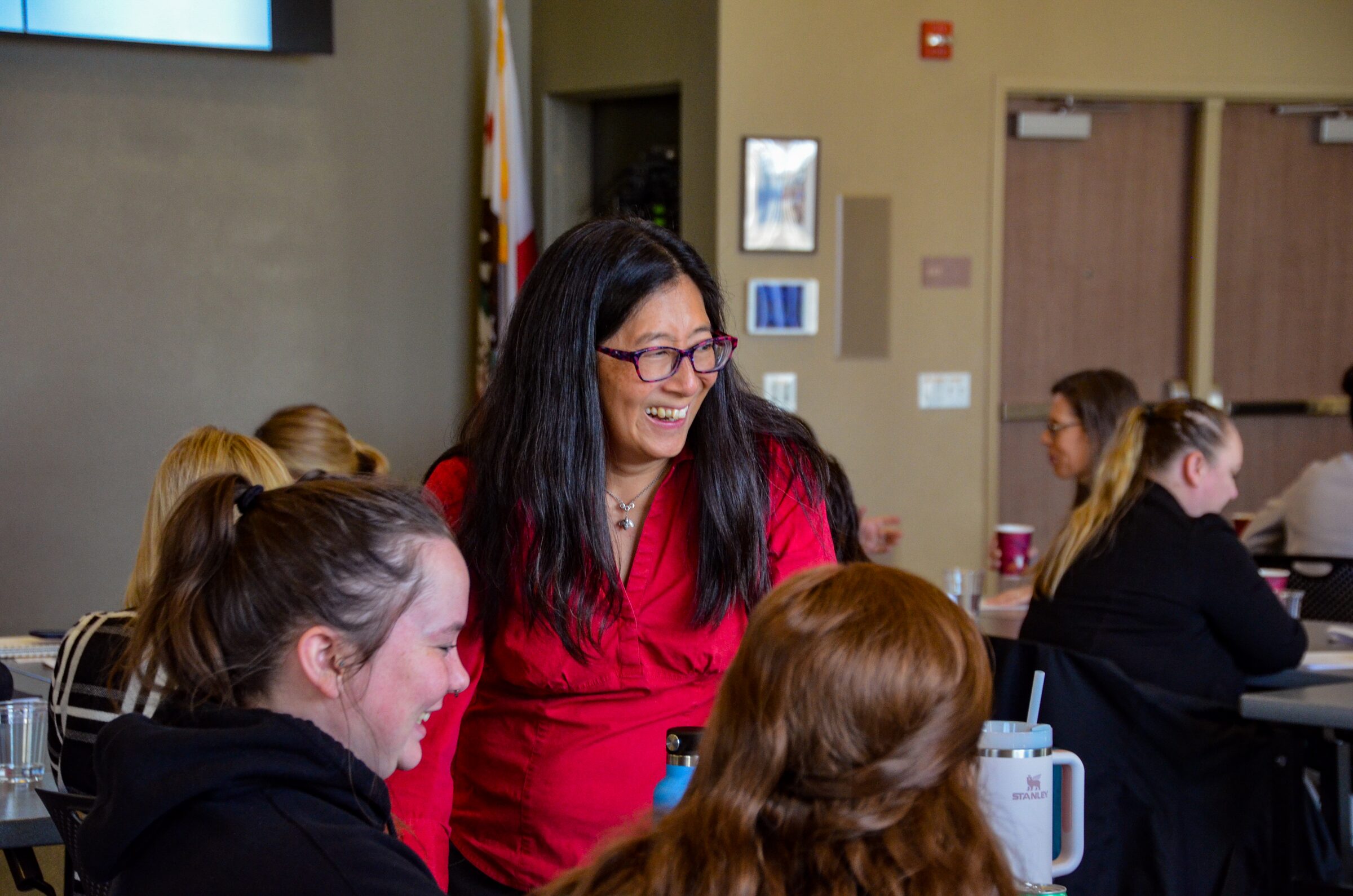
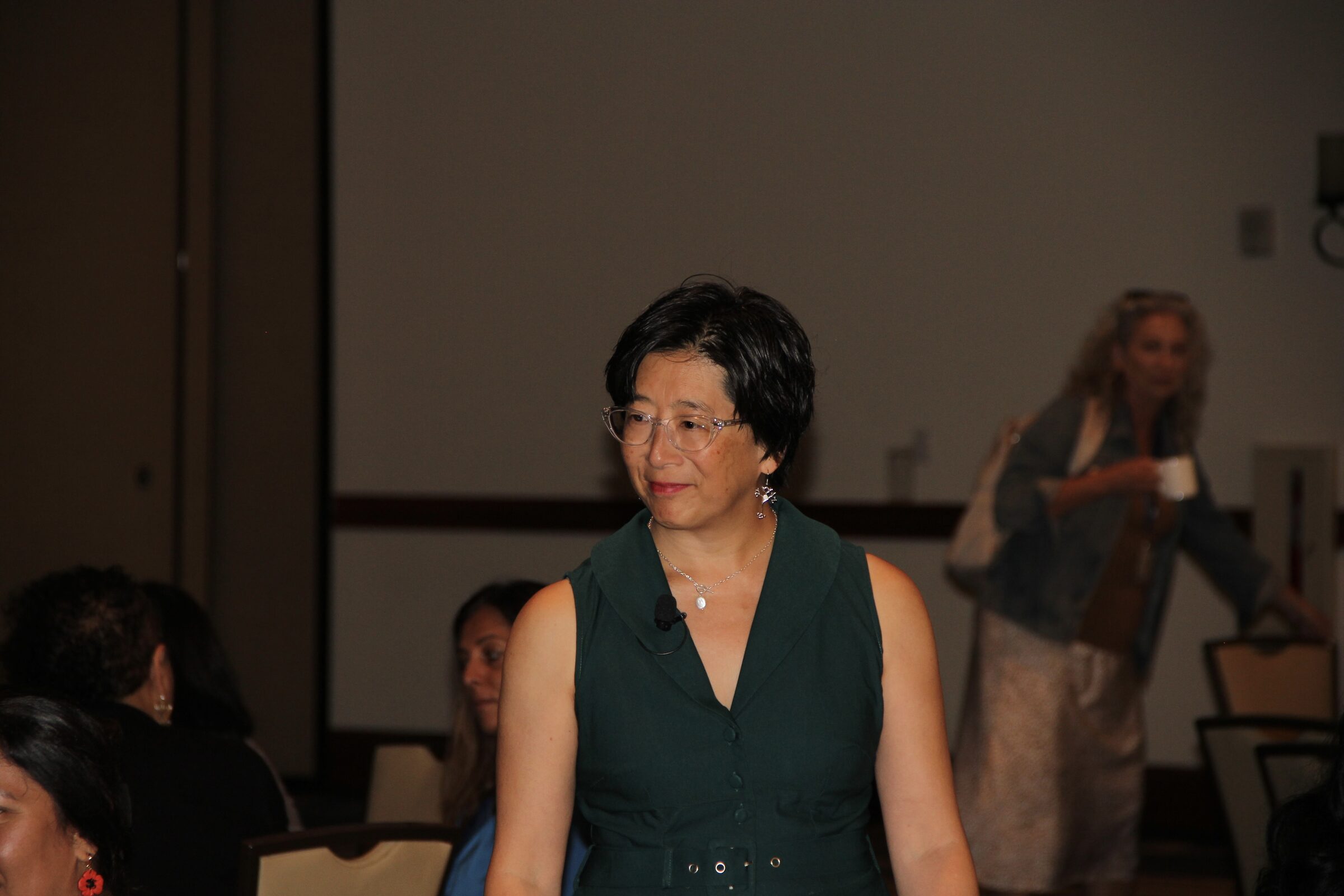
Irene, wearing a lapel mic, moving among participants' tables during a workshop

“Irene Salter continues to demonstrate a thoughtful commitment to the education and charter sectors by providing deeply impactful presentations that help leaders discover new tools towards personal resilience, stress management, and team vulnerability and growth. … Yes, it’s possible to be all in and to not burn out.”

Leslie Loy

Leslie Loy, Leadership Training Coordinator, CSDC

Begin the conversation.

Most people aren’t, and that’s a reasonable place to start. The first conversation is one hour — coffee, lunch, or Zoom — and its only job is to figure out what’s going on. Sometimes the answer is a workshop. Sometimes it’s a year. Sometimes it’s that the leader needs to go first.