Teams · Org Transformation

Culture is not a poster.

It’s what people do when they’re tired and tense and the old reflexes take over.
A retreat or survey or strategic plan won’t change culture.
Trust will, and trust is built on four things a team can practice: care, sincerity, reliability, and competence (Charles Feltman’s model in The Thin Book of Trust).

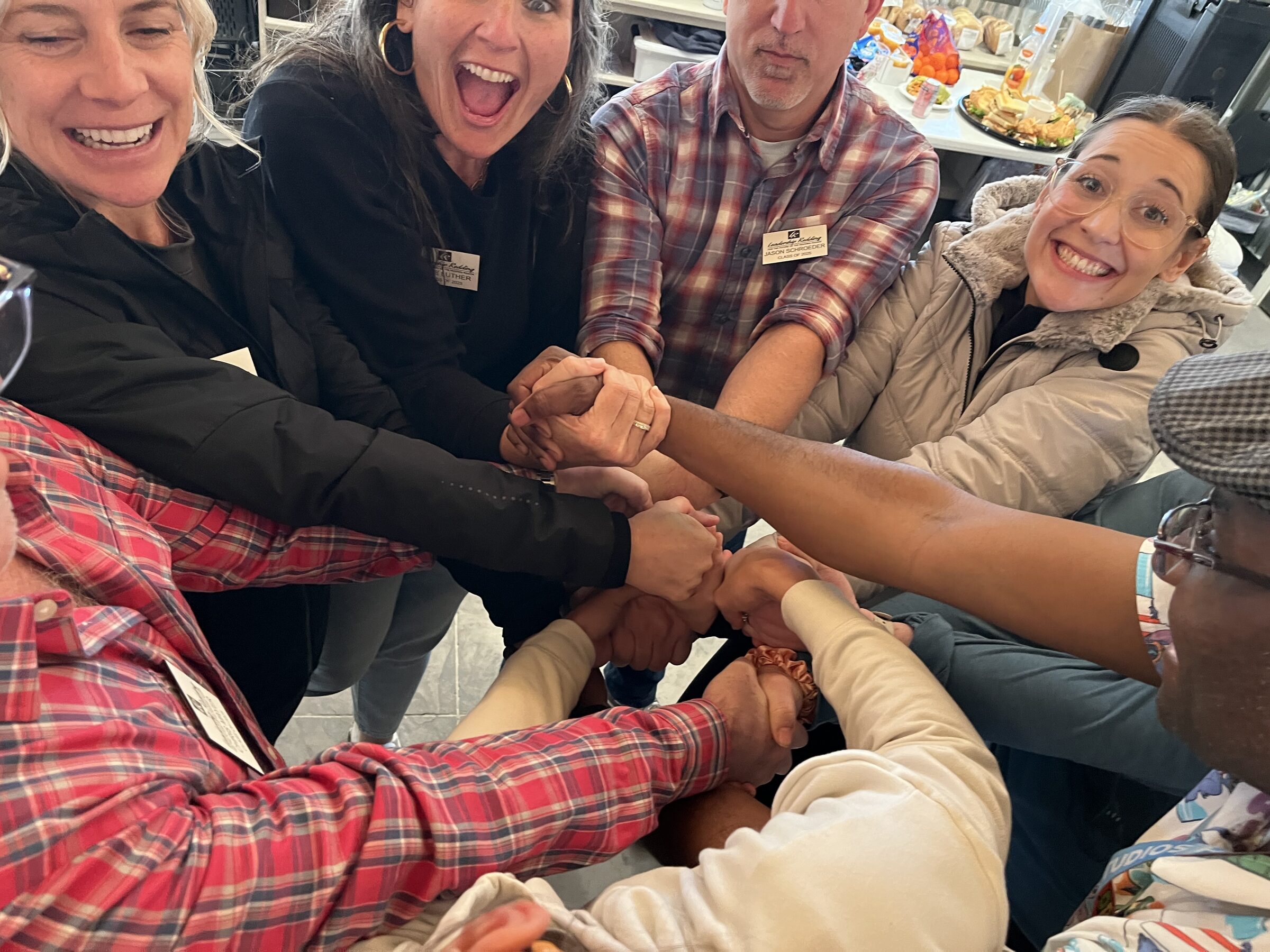
Team members stacking hands in the centre, grinning

Leaderless. A lot of drama. Hurt feelings that predated everyone currently involved.

That’s what Irene walked into. The organization was functioning: the doors were open and the work got done. But the cost of doing it that way was being paid every day, by everyone.

A year later, the same group had written its own plan for leading together. It was a plan they built, argued over, and agreed to themselves. The collaborative spirit was real. The relationships that had been broken were, mostly, repaired.

That’s the work. It’s slow and specific. It began with trust and skill building until the group could talk directly about the thing nobody had been saying. Each individual then took responsibility for their part of the drama and cleaned up their messes. Finally, the team could move forward together.

First, we'll paint an honest picture of what’s happening.

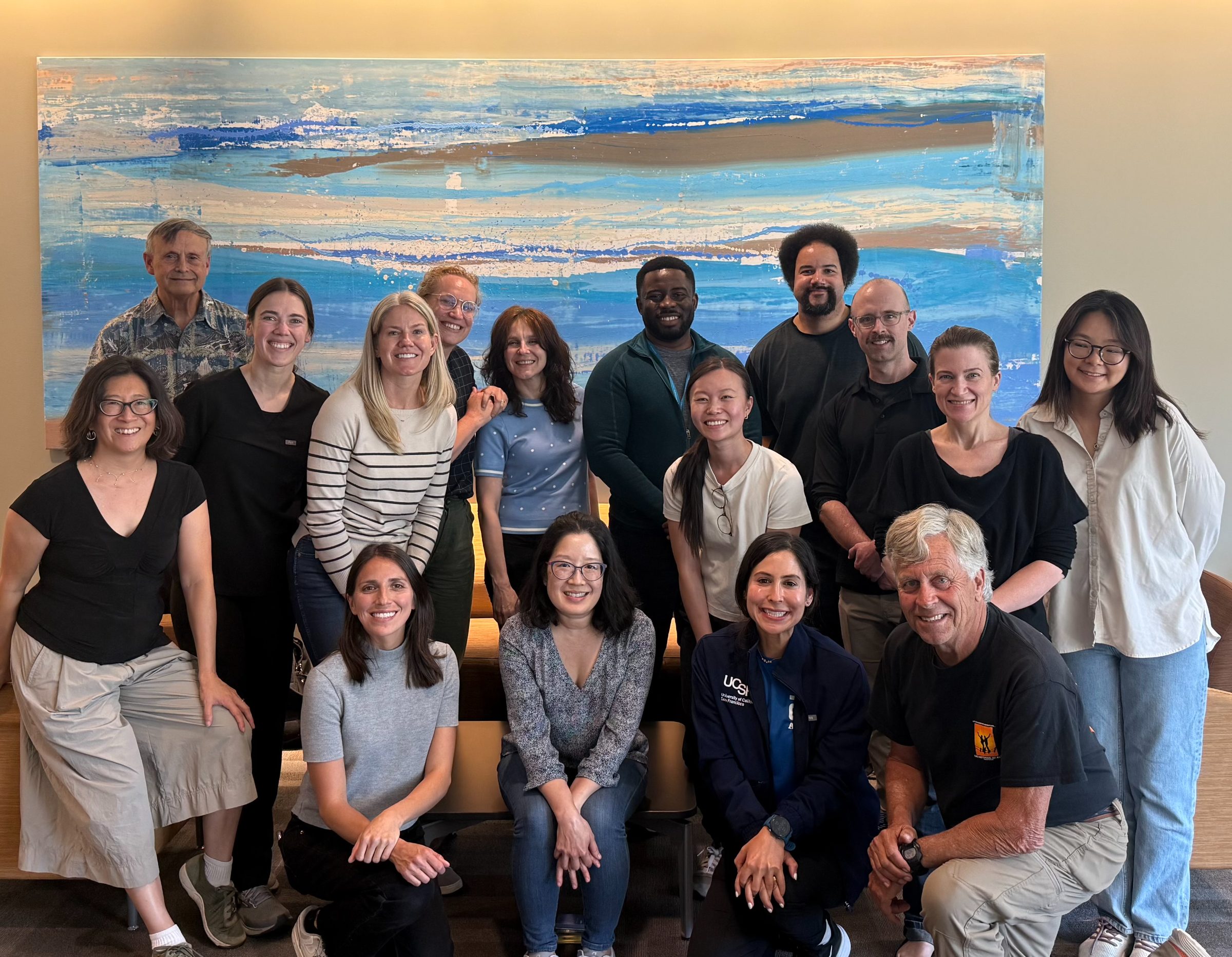
A leadership team gathered together in front of a large abstract painting

Every transformation begins with a full organizational diagnostic, which can be commissioned on its own.

The diagnostic includes up to eight in-depth interviews, three surveys, three focus groups, and a review of the documents your organization actually runs on: the strategic plan, the org chart, the policies, the things people cite and the things they ignore. It ends with a comprehensive report and a three-session debrief, so the full reality of where the organization stands has time to sink in before you decide what’s next.

The systems map that surfaces is rarely a surprise to everyone. It’s usually something many people already sensed but couldn’t put into words, or weren’t yet brave enough to say out loud.

The value of the diagnostic is that now everyone sees the truth of the situation, both the strengths and the challenges. You can’t change what you can’t see.

8
in-depth interviews
3
surveys
3
focus groups
3
working debrief meetings

Then at least one year together, designed around the diagnostic.

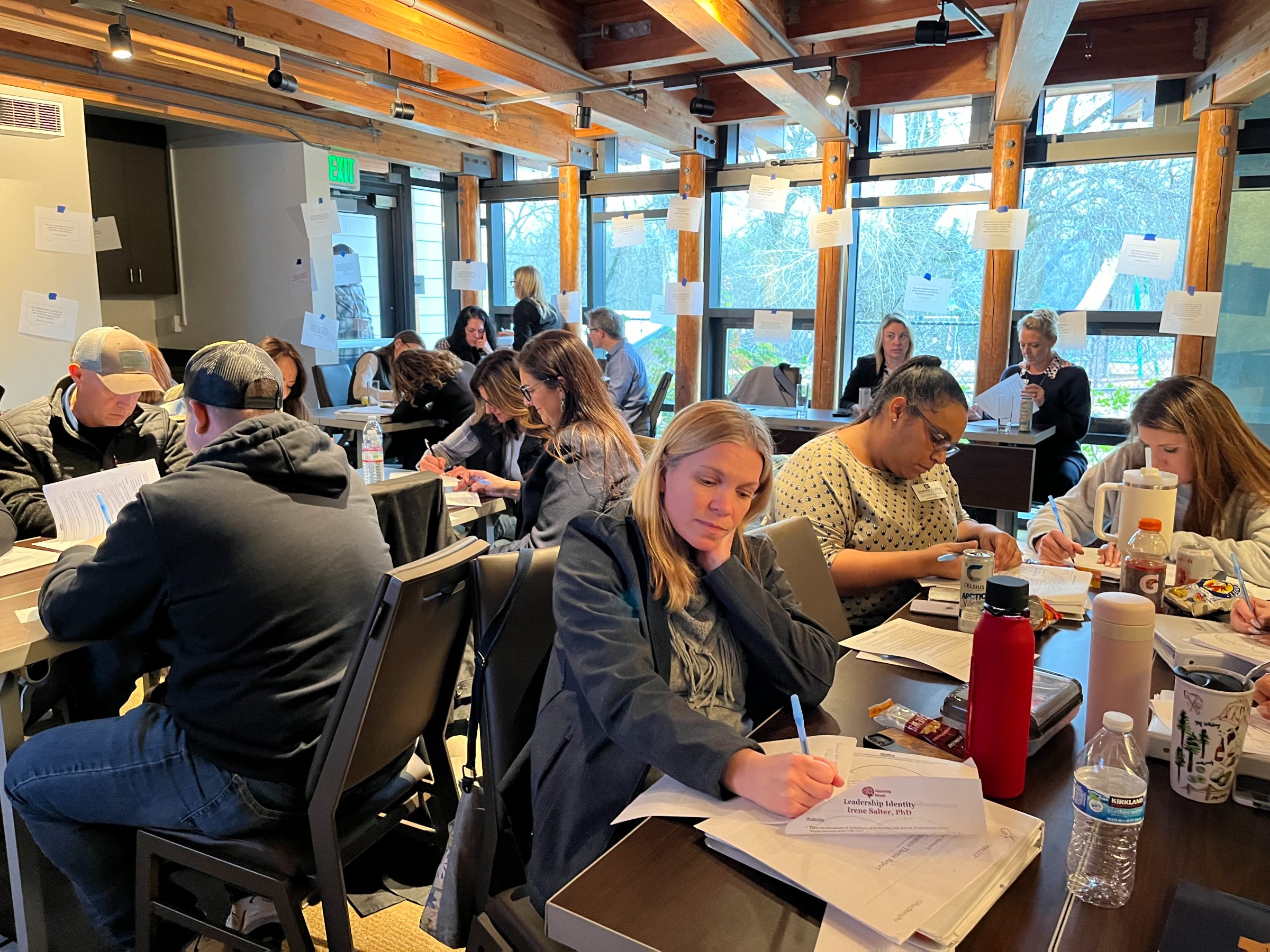
A staff working session at long tables in a bright, timber-beamed room

There is no standard program here, because there’s no standard organization. What gets built depends entirely on the reality in front of you.

The plan usually includes some combination of 1:1 coaching for the senior leader, coaching for the leadership team, workshops for the wider staff, restorative work where trust has broken, on-site visits where Irene is in the building and in your meetings rather than hearing about them after the fact, and quarterly checkpoints against measures you set at the start.

Two things run under all of it. Restorative practice, because a culture with damaged trust needs repair, not just new rules. An inquiry mindset, because change happens through hypothesis testing, small experiments, and collective sense making over time.

“Dr. Salter’s impact on our school community has been truly transformative. Her vast expertise and unwavering commitment to restorative practices have helped us grow not only in how we support our students, but in how we connect, communicate, and care for one another as a school community. … She has made restorative practices feel less like a framework and more like a way of being. … Her influence will continue to ripple through our learning community in ways that inspire kindness, meaningful change, and lasting joy.”

Laura Dinanno
Laura Dinanno
Principal, Peak Prep Pleasant Valley

Begin the conversation.

You probably don’t need convincing. What you need is a clear read on how deep it goes and what it would actually take. That’s the first conversation — one hour, and honest in both directions, including about whether this is the right moment for your organization to take it on.