Begin the conversation.
That’s the useful starting question — not what topic you want covered, but what you wish your people were able to do that they currently aren’t. Everything else designs itself from there.


You’ve been to the session that inspired everyone in the moment and evaporated by Monday. This is built differently, on purpose, for reasons that come down to how the brain actually forms a new habit.
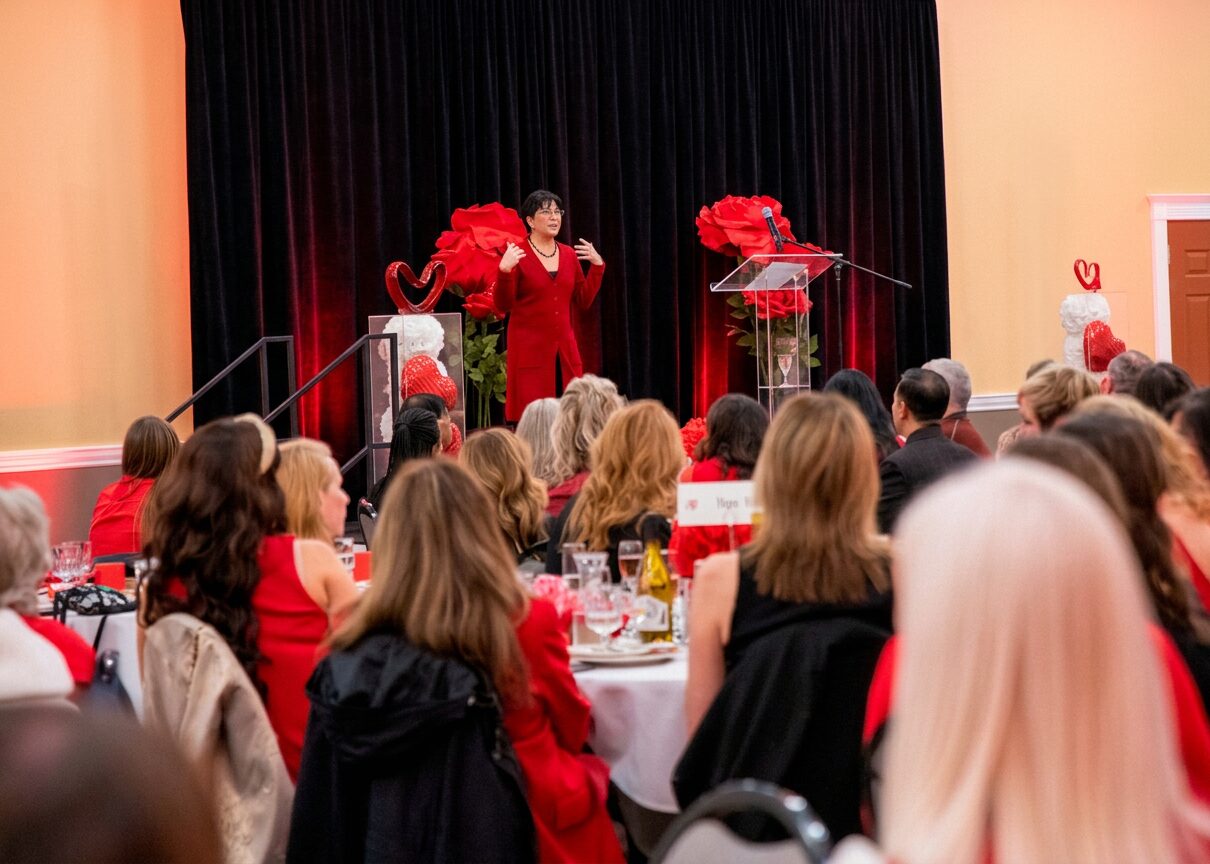

Most professional development spends an hour telling capable adults things they could have read in a book. Everyone nods. Everyone agrees. Nobody’s behavior changes.
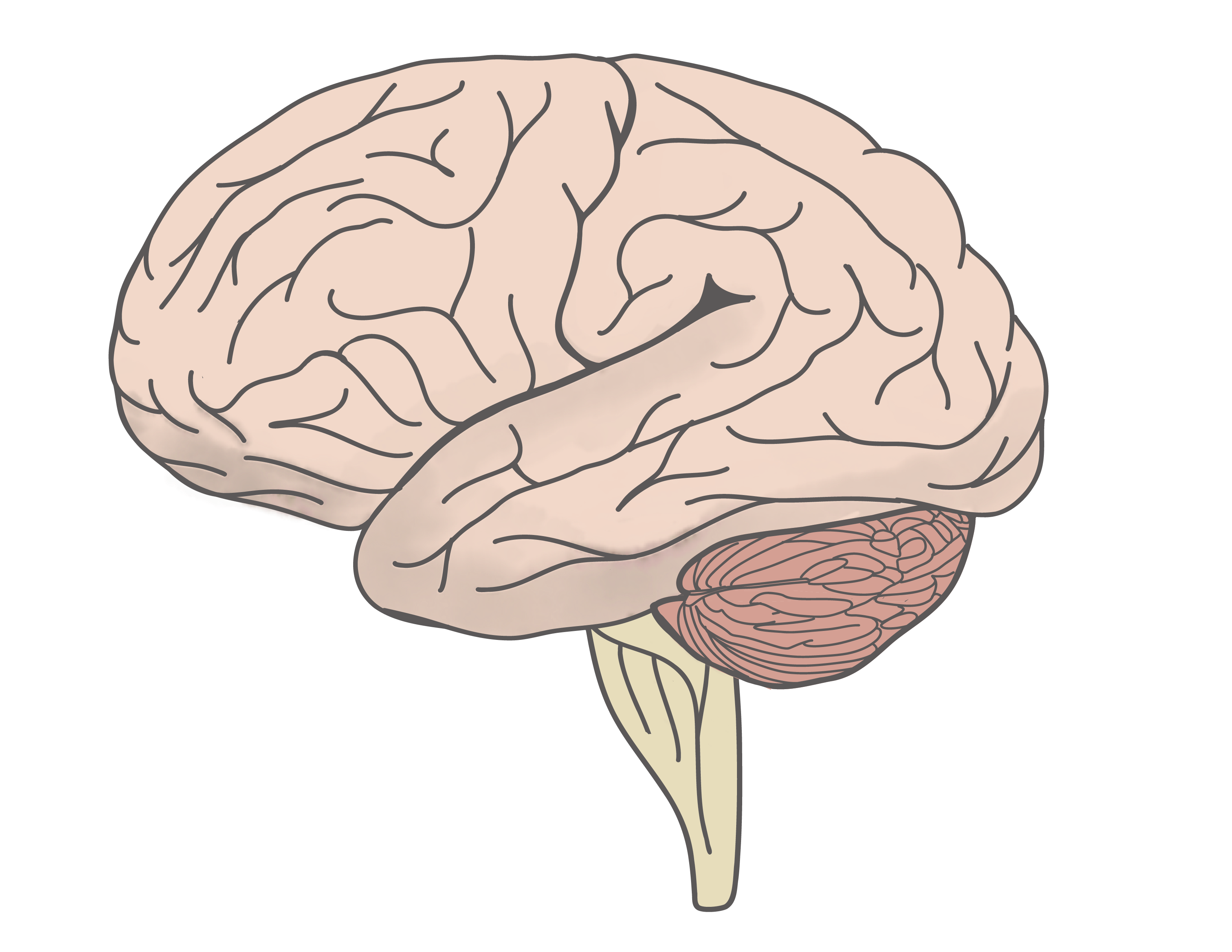
Knowing and doing live in different parts of the brain. Understanding a concept engages one system. Being able to do the hard thing — in the moment, under pressure, with the person you find difficult — is built somewhere else entirely, and it’s built through doing it, talking about how it went, and trying it again.
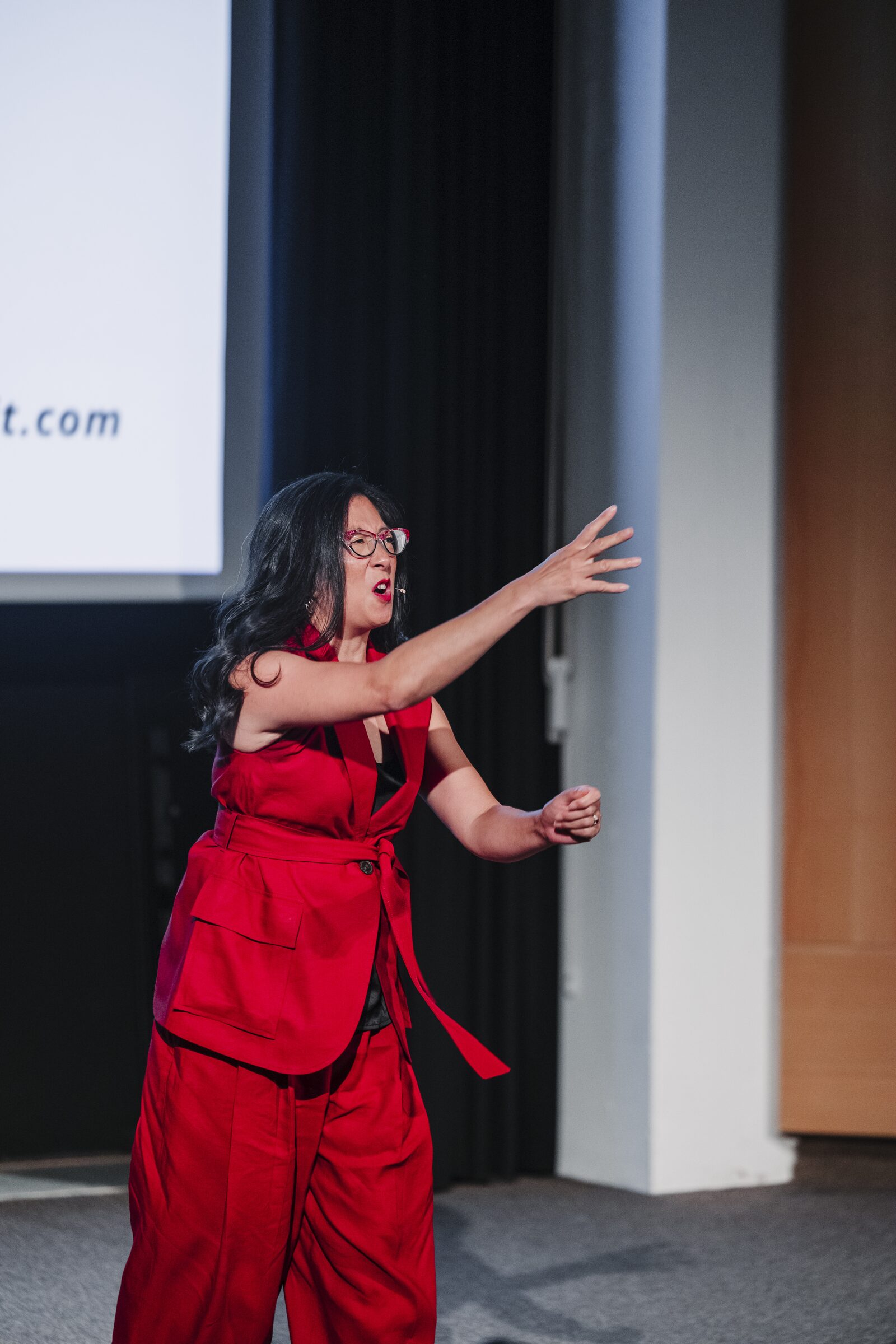
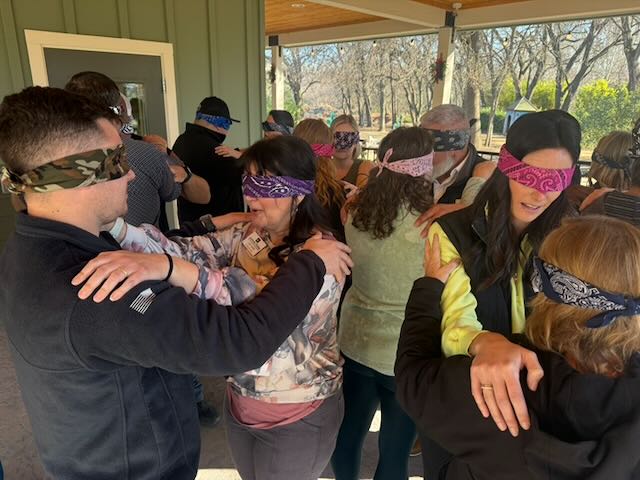
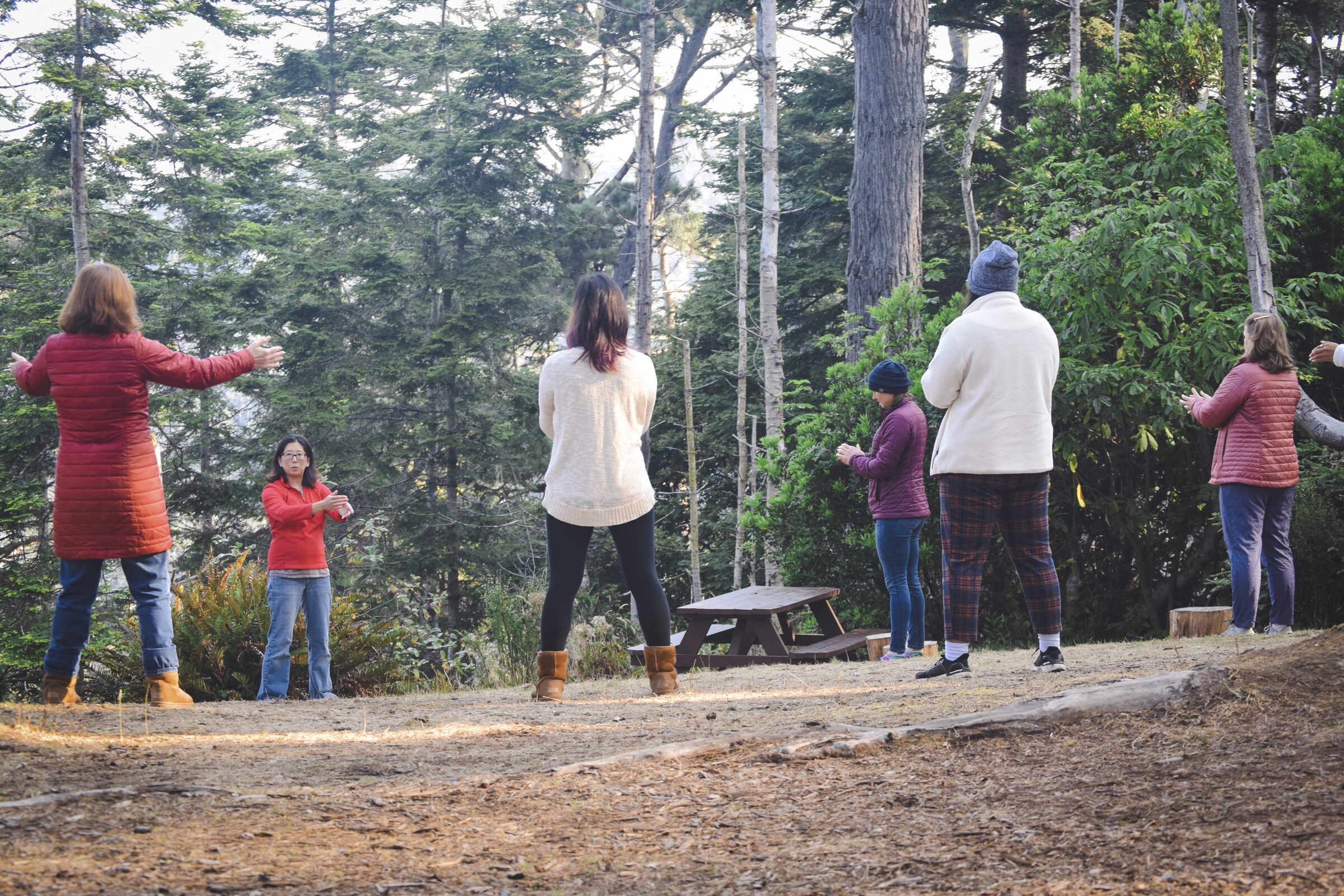
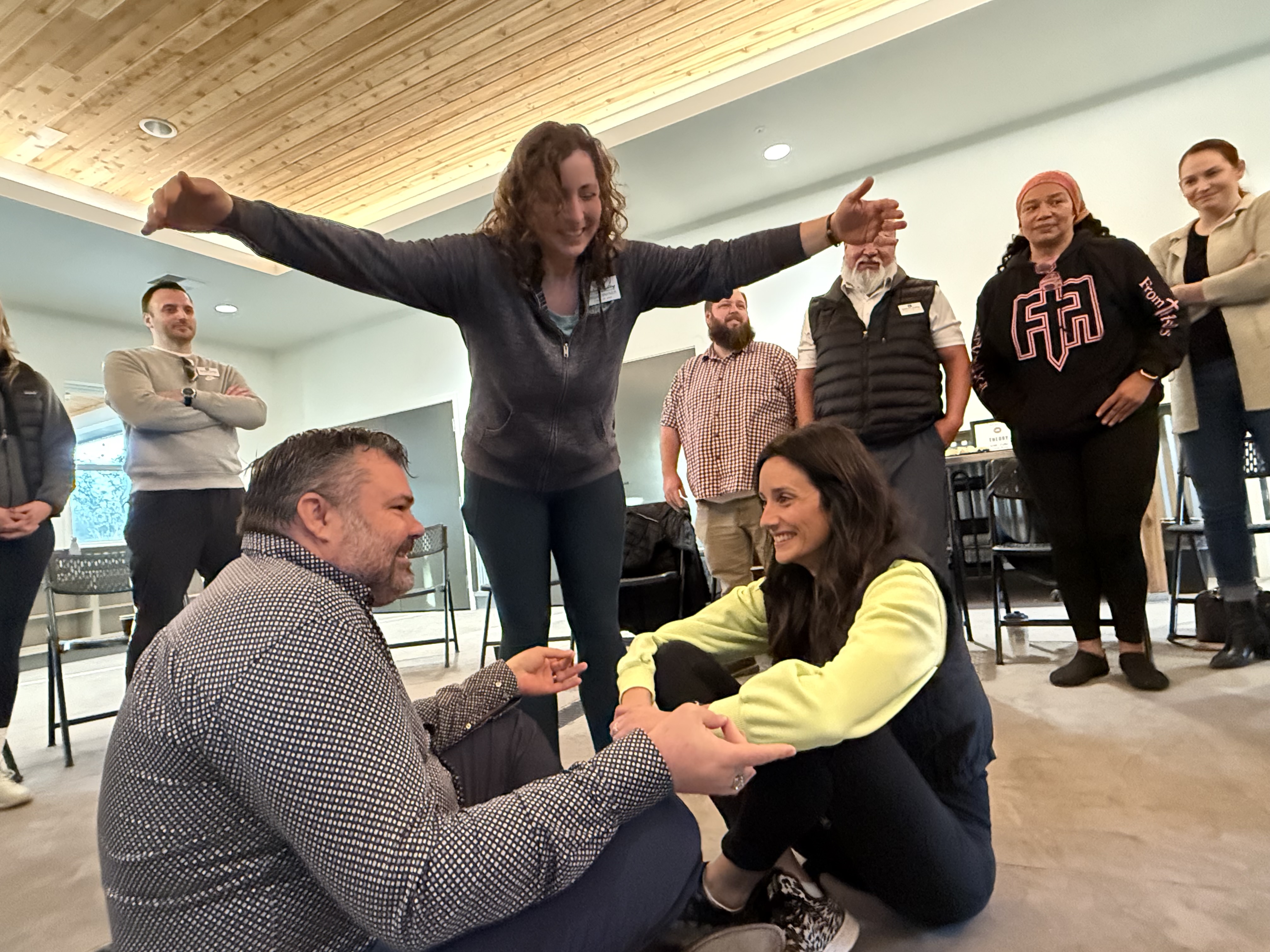
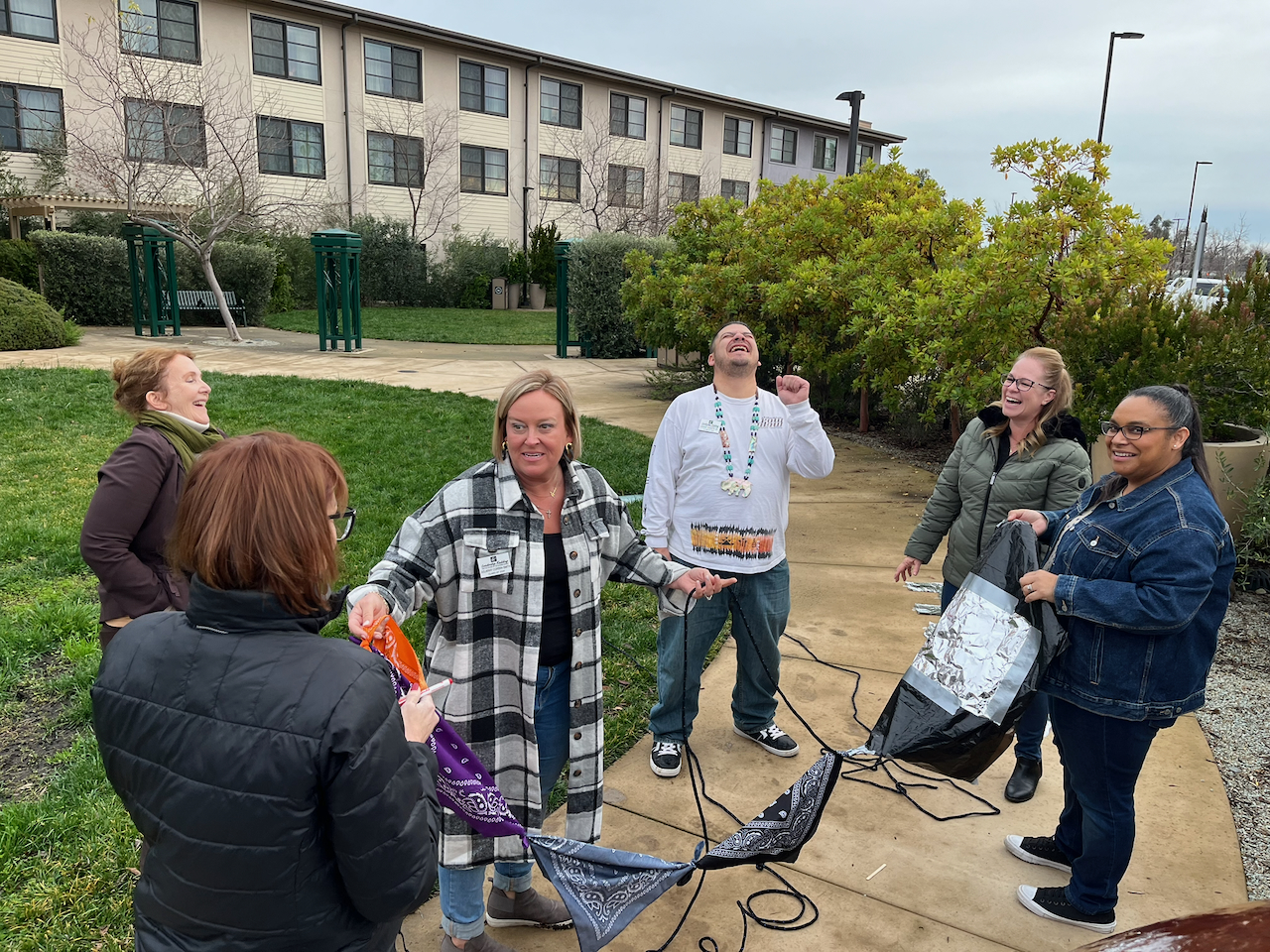
So in Irene’s workshops, leadership gets practiced. Participants try a new skill, on something real, in the spirit of learning and play, while there’s still someone there to help. Aha moments come from what people notice about themselves while doing it. Those are the learnings that tend to last.
The twenty-five years Irene spent as an award-winning science educator are what make this kind of hands-on, minds-on learning possible.
Bring to mind someone you consider an exceptional mentor. It’s easy to describe their character — supportive, wise, encouraging. But what are they actually doing? What behaviors, attitudes, and words do they use, and can those be learned? This session breaks down what great mentors do, then participants practice those skills on each other.
Impostor syndrome is a real obstacle, especially for underrepresented groups and rising leaders. Research by Tewfik found that leaders who experience it are rated as more interpersonally effective than their peers. This roundtable is space to share the experience honestly, explore why it paradoxically makes us better, and practice strategies for navigating it.
You have a gorgeous vision. Now what? Think of it as a journey. Participants identify the obstacles and areas of uncertainty ahead, work out how to surround themselves with the right strengths and companions, and leave with a clear roadmap to the thing they said they wanted.
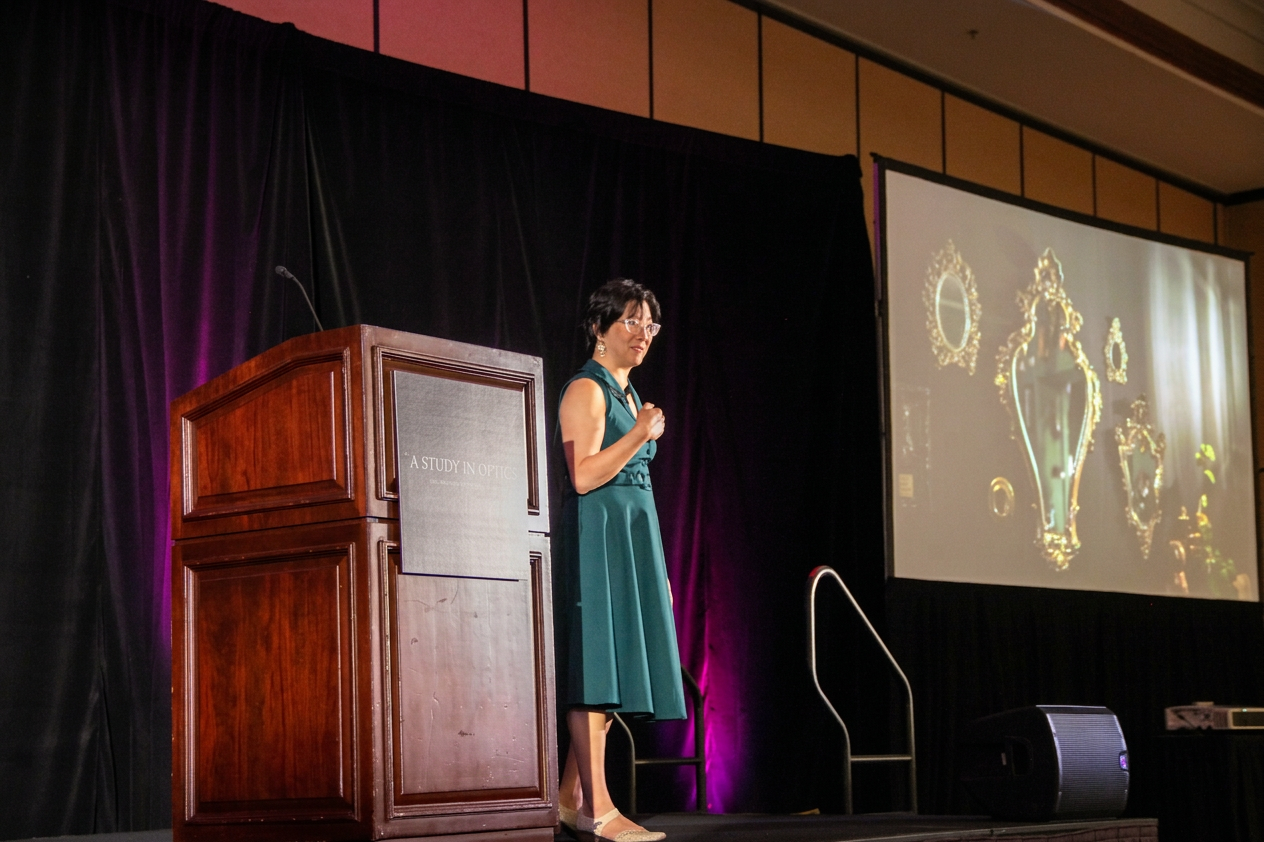
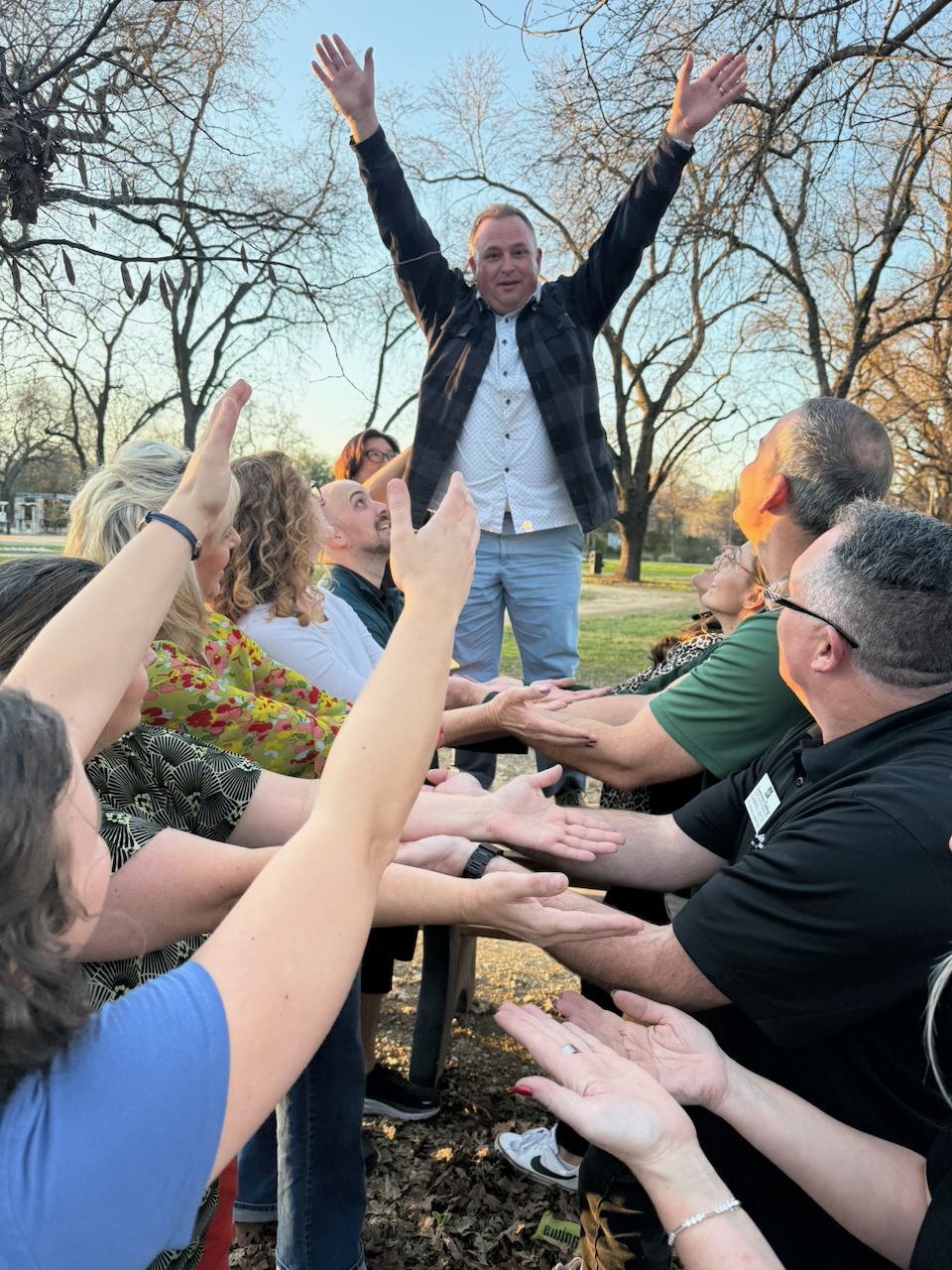
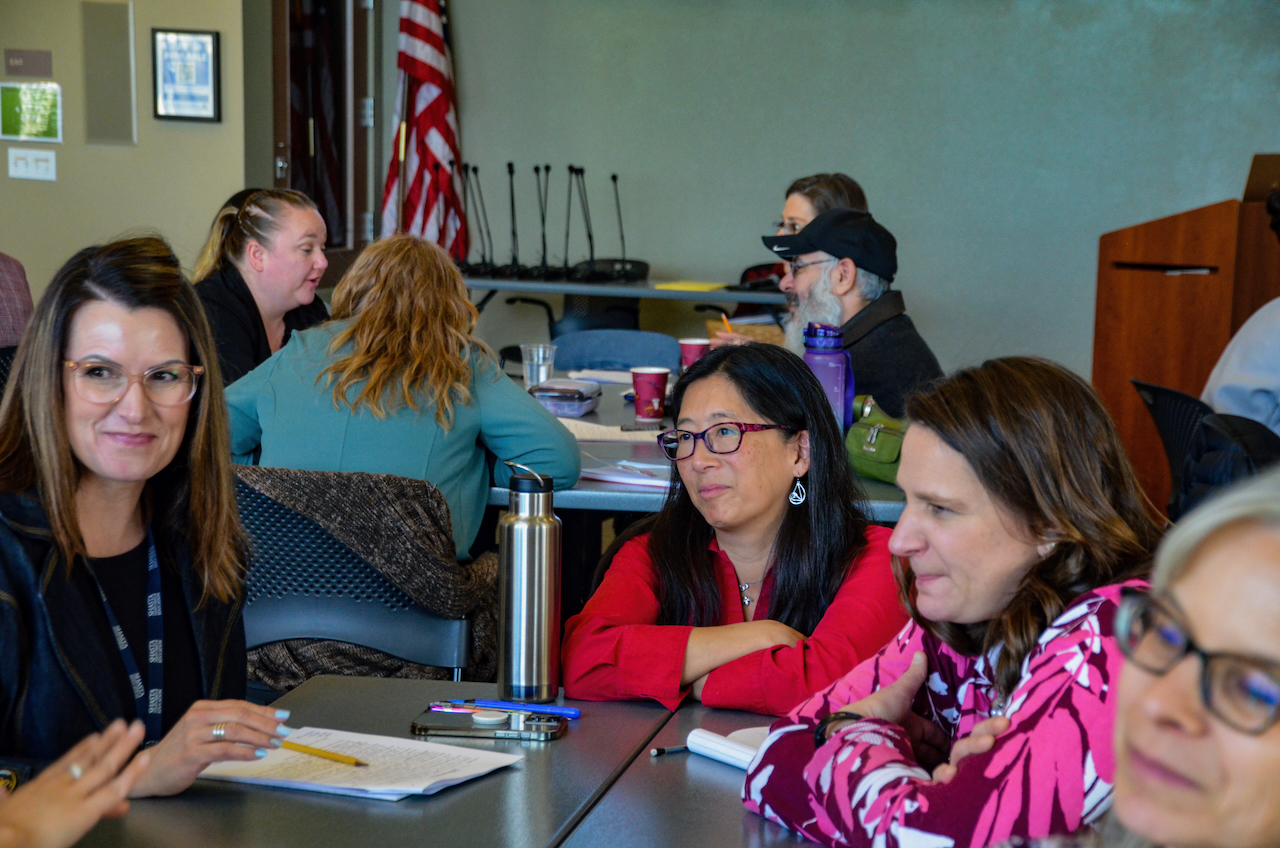
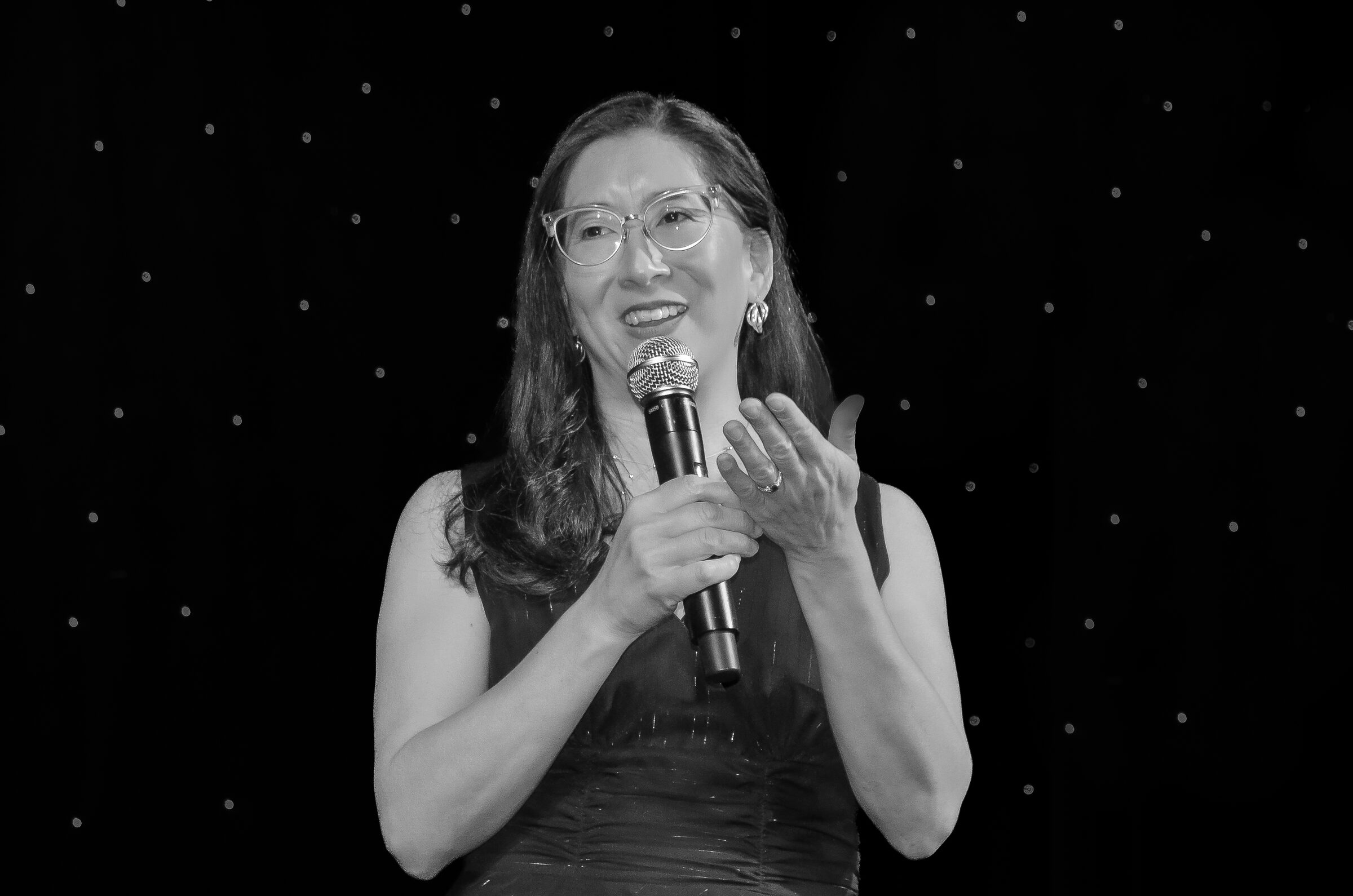
Navigating a chaotic, uncertain workplace is hard. This interactive playnote makes it fun. Table teams take on leadership roles inside a volatile HR scenario and work it in real time, picking up two proven change models along the way — the Heath brothers’ Elephant, Rider, and Path, and William Bridges’ Transition Model — plus the neuroscience of what stress does to a decision. You leave with something usable no matter what kind of crazy the year brings.
There are dozens of leadership styles to try on, and choosing one off the rack feels like wearing armor, or someone else’s clothes. So how do you build a leadership identity that’s actually yours? The answer is in the one-of-a-kind design of your own brain at its best. A PhD neuroscientist and former superintendent on finding the best in yourself and using it to bring out the best in others.
Women today are overwhelmed by constant demands on time, energy, and attention. The lasting fix is understanding how your brain and body allocate limited resources — and working with that biology instead of against it.
She blends science with story.
She creates experiences people remember.
She meets people where they are.
“Irene has a passion for what she does and it shows — and is contagious.”
“This presenter runs the session as an excellent teacher, using the strategies that help engage participants and promote retention.”
“It was great learning how to approach imposter syndrome from a different angle.”
“I didn’t even know I had a leadership style… until this helped me reflect.”
“Irene was amazing! She led us through a complex process that was very easy to understand.”
“I loved the tools she used such as having us go out and take pictures of our favorite quotes. Irene is one of the best presenters I’ve seen!”
“This helped leadership become a tangible, real thing versus an abstract concept.”
“The walk outside was a brilliant engagement strategy I’ve never seen at a conference like this.”
“This was more helpful and amazing than I ever anticipated. It was engaging and had a lot of real life applications that are timely and relevant to me now. Amazing!”
That’s the useful starting question — not what topic you want covered, but what you wish your people were able to do that they currently aren’t. Everything else designs itself from there.