Teams · Team Coaching

Functional is not the same as exceptional.

Most leadership teams are made of capable people who have quietly agreed not to say certain things to each other. Team coaching means building the trust necessary to say those things out loud so that together you can break the pattern.

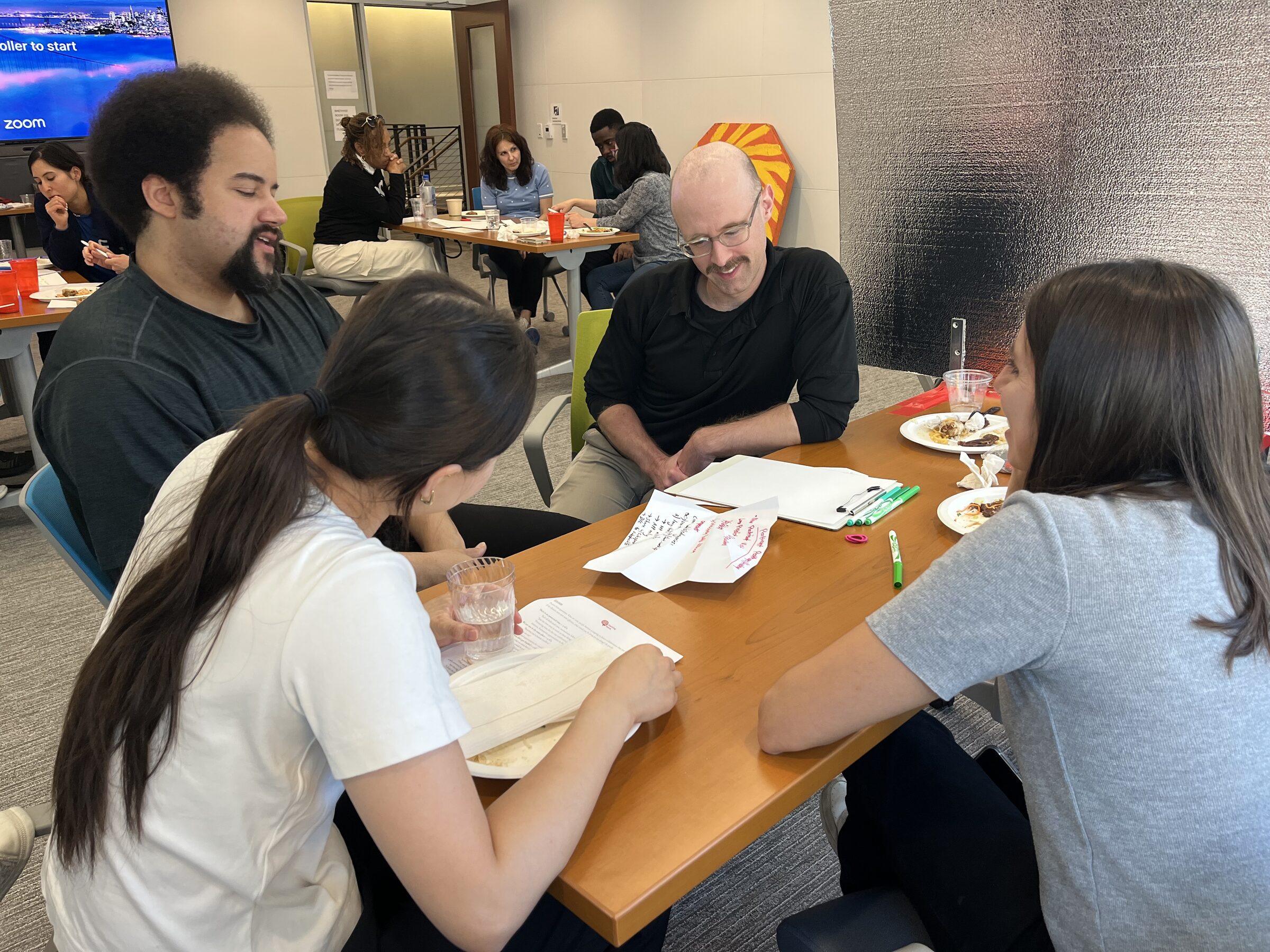
A leadership team working through an exercise together around a table

There’s something off.

The decision gets made and then unmade in the parking lot. Or perhaps two people are in conflict, and everyone else has built their week around routing between them. Or there’s tension tinged by race and gender that everyone can feel but nobody can talk about. Or the agenda gets through, yet nothing moves. Or you’ve tried talking to them individually... it helps for a while... then the team reassembles and so does the pattern.

That’s the thing about team dynamics: the problem doesn’t live in any one person. It lives in the space between them. Teams are a system that only changes when you work on it as a system.

Six months, or twelve. One team. Real change.

Team coaching starts with an honest map. Irene assesses and aligns everyone’s strengths, mapping each person’s zone of genius — the work that draws on your unique gifts, is effortless, energizes you, and feels essential to who you are. More importantly, she listens to the story beneath each perspective to draw a roadmap for healing and growth.

Then comes the harder stuff: setting clear agreements about how this group is going to work together, strong enough that they hold when folks are tired and under pressure. From there it’s sustained, regular sessions across six or twelve months, because what actually moves a team is when the old pattern shows up and somebody, for the first time, names it in the room instead of in the hallway.

Together you’ll bring candor and compassion to the conversations you’ve avoided up to now. Emotional intelligence becomes a practiced skill rather than a personality trait, as you learn about the neuroscience of why smart people get reactive and what to do about it.

One requirement is worth stating plainly: this work asks the team’s leader to be in 1:1 coaching, or to complete a short diagnostic engagement. It prevents the most common failure point, where a leader hires help for the team yet stays outside the change.

A leadership group gathered together on a sailboat at golden hour
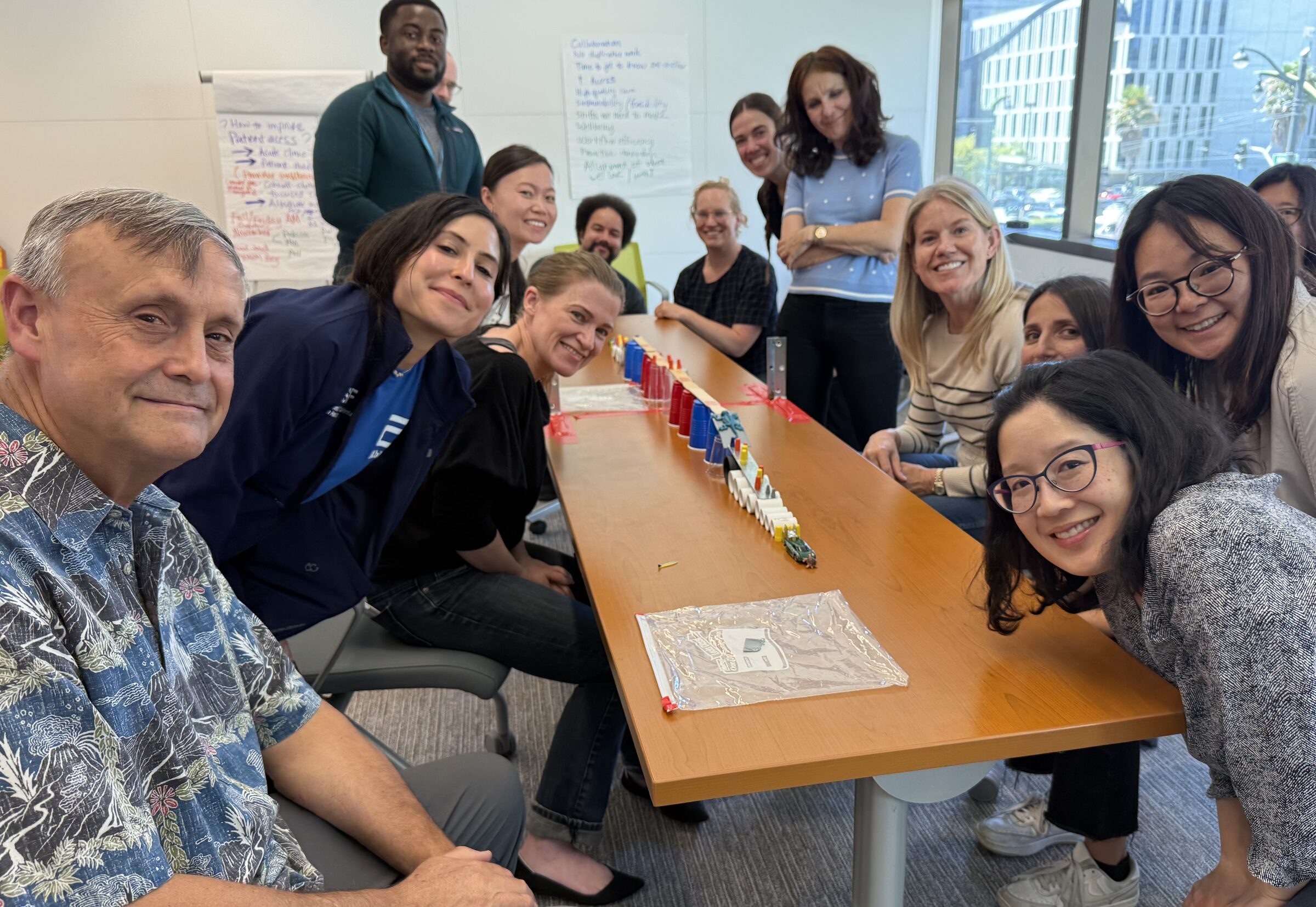
A team working around a table covered in chart paper, a hand-drawn timeline and sticky notes

Three real engagements.

Pivot Charter School · leadership team

A yearlong series on emotional intelligence and team growth

A full-day retreat followed by monthly one-hour workshops and open office hours. A four-part model of emotional intelligence (EQ), emotion regulation, reading the room, conscious listening, giving feedback, leading with empathy. Each session paired a new skill with reflection, action planning, and application to something happening that month. Office hours caught what the sessions couldn’t.

Kindred Hearts · leadership team

Leadership identity, built from scratch

Ten sessions, ninety minutes each. In the rush of day-to-day leadership it’s easy to lose sight of who you are and what you bring. This series was space to reflect, grow, and lead deliberately — guided work on strengths, values, passions, and purpose, then core management skills, then the harder question of how to bring the organization’s stated culture actually to life.

Connecting Waters Charter Schools · site directors and leadership team

Half-day retreat, then three months of group coaching

Started with leadership style and stress resilience. Then biweekly group coaching on taming an overwhelming to-do list, staying productive through constant interruption, setting boundaries, establishing clear team agreements, and leading with a balance of candor — direct, honest, assertive — and compassion — kind, empathetic, relational.

From the Pivot Charter School leadership team

“Irene, your expertise and ability to meet people where they are at is astounding! No matter what we have asked you, you have provided helpful, positive, and measured support. We are a better organization for you having helped us this year!”

“Irene, your training and leadership has been life changing, both personally and professionally. I appreciate how you show up with a smile and positive energy regardless of the day. Your insight and knowledge is so valued and I appreciate you!”

“You present a wonderfully unique combination of soft squishy support and hard scientific facts! You model humanity, compassion, and empathy for us while also providing plenty of research-based resources that we can delve into on our own time.”

Begin the conversation.

One hour. The first conversation explores what's happening between members of the team, how long it’s been happening, and what you’ve already tried. That usually makes it clear whether this is team coaching, something smaller, something bigger, or something that starts with you.